
Top 5 Mistakes Carriers Make After a Driver Fails a DOT Drug/Alcohol Test
When a driver fails a DOT drug or alcohol test, carriers face strict FMCSA rules and significant risks. Mishandling these situations can lead to fines, audits, lawsuits, insurance issues, and operational disruptions. The Drug and Alcohol Clearinghouse adds further compliance challenges, making swift and accurate action essential. Here’s what to avoid:
- Delaying the SAP Process: Start the Substance Abuse Professional (SAP) program immediately to stay compliant and minimize downtime.
- Mishandling Testing: Schedule return-to-duty and follow-up tests correctly to avoid delays or violations.
- Poor Documentation: Maintain accurate records and chain of custody to prevent audits and legal problems.
- Clearinghouse Errors: Report DOT test results accurately and on time to avoid penalties and delays.
- Ignoring Telehealth Options: Use telehealth SAP evaluations for faster, more efficient compliance.
Each mistake can result in costly consequences, from driver shortages to FMCSA fines. Acting quickly, ensuring proper testing, and leveraging telehealth solutions can keep operations running smoothly and compliant with federal regulations.
1. Not Starting the Substance Abuse Professional (SAP) Program Right Away
One of the biggest mistakes carriers make is putting off the start of the SAP evaluation process. This delay can create compliance headaches and seriously disrupt operations.
Compliance with DOT Regulations
According to 49 CFR Part 40, drivers must be immediately removed from safety-sensitive duties following a failed drug or alcohol test. Any delay in starting the SAP process can jeopardize compliance with these regulations and raise concerns in the Drug and Alcohol Clearinghouse.
Delays in reporting or initiating the SAP process can also attract unwanted attention from FMCSA investigators. Beyond compliance issues, these delays can extend the time it takes for a driver to complete the return-to-duty process, which can hurt operations.
Impact on Return-to-Duty Timelines
The SAP process involves several steps, from evaluation to treatment, education, follow-up, and testing. Delays at the start can extend this timeline significantly. Treatment alone can take weeks or even months, while the education component is typically shorter. Any hesitation in beginning the process means drivers are off the road longer, putting extra strain on staffing in an already competitive labor market. These delays can also lead to other complications, making it essential to act quickly.
Consequences of Errors or Delays
Delays in starting the SAP process come with a price. Beyond the cost of finding replacement drivers, carriers may face penalties for reporting violations. Additionally, many commercial auto insurance policies now include clauses tied to compliance with drug and alcohol programs. Mishandling a failed test could lead to higher premiums or even issues with coverage.
The Role of Telehealth in Speeding Up the Process
Traditional SAP providers often face scheduling backlogs, which can slow down evaluations. Telehealth options, such as those offered by DrugEval.com, eliminate these delays by providing evaluations online. These services can often start the process within days, with results available in just 24 to 48 hours. Pricing is straightforward, with standard services costing $539 and expedited services available for $589.
For carriers operating across multiple states, telehealth offers a consistent, efficient solution. By removing geographical barriers, telehealth ensures the SAP process begins promptly, helping carriers stay compliant and minimize downtime for their drivers.
2. Handling Return-to-Duty and Follow-Up Testing Wrong
Managing the testing requirements after a driver completes their SAP evaluation and treatment can be tricky, and many carriers make mistakes that lead to compliance issues or allow drivers to return too soon. Once the SAP process is initiated, it’s critical to schedule return-to-duty and follow-up tests properly. This step is just as important as starting the SAP process itself.
Compliance with DOT Regulations
The return-to-duty process comes with strict testing rules that must be followed to the letter. According to 49 CFR Part 40, a driver cannot begin return-to-duty until federal testing criteria are satisfied. Specifically, drivers must pass a test showing a BAC below 0.02 and negative results for controlled substances. This is a non-negotiable federal requirement.
Follow-up testing adds another layer of complexity. SAP guidelines require carriers to conduct at least six unannounced follow-up tests within the first 12 months, and in some cases, testing may extend up to 60 months.
Timing is critical here. Return-to-duty tests must take place before a driver resumes safety-sensitive duties. Follow-up tests, on the other hand, must be random and unannounced – drivers cannot be given advance notice.
Impact on Return-to-Duty Timelines
Poor coordination of testing can cause unnecessary delays in the return-to-duty process. If carriers don’t schedule return-to-duty tests promptly after SAP clearance, drivers end up staying off duty longer than necessary, creating additional strain on operations.
Challenges like limited testing facility hours can further delay scheduling, especially for drivers in rural areas who may need to travel significant distances to reach an approved facility.
Coordinating follow-up testing is even more challenging. Carriers must juggle multiple drivers with varying schedules while ensuring the tests remain random. Without proper planning, they risk missing tests or creating predictable patterns, which violates DOT rules.
Consequences of Errors or Delays
Mistakes in testing can lead to serious consequences. Failed return-to-duty tests require drivers to return to the SAP for further evaluation and treatment, restarting much of the process. This can add months to their time off the road and significantly increase costs.
Missed follow-up tests result in immediate compliance violations. These violations must be reported to the Drug and Alcohol Clearinghouse and can trigger FMCSA investigations. Insurance companies also review these records when setting premiums or handling claims, which can further impact carriers financially.
Even administrative mistakes, like documentation errors or issues with the chain of custody, can lead to repeated tests and regulatory scrutiny. These errors can end up being more expensive and time-consuming than the original testing process.
Effectiveness of Solutions (Including Telehealth Options)
To avoid these pitfalls, carriers can designate staff specifically for managing testing coordination. This ensures a focused approach to scheduling and compliance.
Technology can also play a big role in simplifying the process. Tools like random number generators create unpredictable testing schedules, while tracking software monitors deadlines and sends automated reminders to keep everything on track.
Telehealth SAP providers, such as DrugEval.com, offer detailed guidance on testing requirements as part of their evaluation services. Their reports often outline exactly what tests are needed and when, helping carriers stay informed and avoid miscommunication that could lead to compliance violations.
Partnering with experienced testing facilities familiar with DOT regulations can also reduce errors. These facilities understand the required procedures, maintain proper documentation, and are often able to accommodate urgent scheduling needs when drivers complete their SAP requirements. Streamlining testing processes not only helps maintain compliance but also sets the stage for smoother operations moving forward.
3. Poor Documentation and Chain of Custody Records
Keeping accurate records and maintaining a proper chain of custody is often one of the most neglected aspects of DOT drug and alcohol testing compliance. Many assume documentation takes care of itself, but this oversight can lead to serious compliance issues. Solid documentation is the backbone of meeting DOT requirements.
Compliance with DOT Regulations
The FMCSA has strict rules about how long drug and alcohol testing records must be kept. These aren’t just guidelines – they’re federal laws that must be followed. At the heart of this process lies the Custody and Control Form (CCF). This form ensures there’s a continuous, traceable record from the moment a sample is collected to when the test results are finalized.
Every step – collection, analysis, and reporting – needs to be documented. A single break in this chain can compromise the legal validity of the process. If a test result is invalid and retesting is required, having complete and accurate documentation, including the CCF, becomes absolutely essential.
Impact on Return-to-Duty Timelines
Lapses in documentation can delay the return-to-duty process. Retests caused by incomplete records slow things down, and downtime adds up. Substance Abuse Professional (SAP) providers, who depend on detailed records to make their assessments, may also face delays if documentation is missing or incomplete. Additionally, gaps in the chain of custody can cast doubt on the credibility of the testing process, which can further complicate FMCSA inspections.
Consequences of Errors or Delays
Poor documentation can lead to audit failures and even regulatory violations. Inconsistent or missing records might suggest that required tests weren’t conducted – even if they were. FMCSA inspectors rely heavily on thorough documentation to verify compliance, and discrepancies can result in penalties or fines.
In legal scenarios, incomplete documentation weakens the ability to defend testing decisions. A strong, clearly written drug-free workplace policy is critical to ensuring that your program can stand up to legal scrutiny.
Improving Documentation Practices (Including Telehealth Options)
Accurate records do more than meet federal requirements – they make the entire SAP and return-to-duty process smoother. Regular training and retraining for testing staff can help minimize errors. Assigning specific personnel to handle documentation and ensuring they stay informed about regulatory updates is another way to maintain consistency and compliance.
Digital record-keeping systems are another effective solution. These systems reduce human error, automatically track retention periods, and take the guesswork out of compliance. By automating parts of the process, carriers can avoid many common pitfalls of manual record-keeping.
Telehealth SAP providers, like DrugEval.com, also play a role in improving documentation. Their digital platforms offer detailed record-keeping as part of their evaluation services, ensuring that all activities are logged and accessible. This simplifies communication between carriers and SAP providers, closing gaps in the documentation process. Strong documentation practices not only support regulatory compliance but also make return-to-duty procedures more efficient.
Ready to book your evaluation?
It’s confidential and takes about 60 seconds to get matched to the right evaluation and a qualified substance abuse professional.
Find My Evaluation4. Reporting Wrong DOT Tests to the Drug and Alcohol Clearinghouse
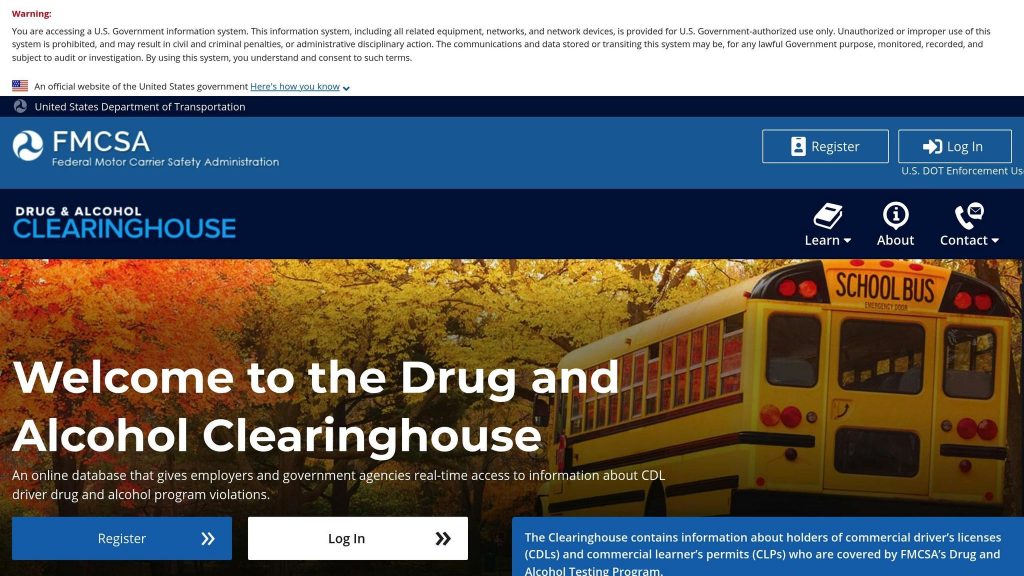
The Drug and Alcohol Clearinghouse serves as the primary DOT database for test-related information. Mistakes or incomplete entries here can create compliance headaches for both carriers and drivers.
Getting the reporting right is essential for meeting federal regulations. One critical rule to follow is the one-day reporting requirement. A common mistake carriers make is mixing up DOT-regulated test results with those from internal testing programs. To avoid inaccurate records, only report results from DOT-authorized tests.
Another frequent issue is incomplete violation reporting. It’s not enough to document a failed test; carriers must also report when a driver completes the return-to-duty process. Skipping any steps can leave a driver’s record incomplete, potentially affecting their ability to work in safety-sensitive roles.
Impact on Return-to-Duty Timelines
Errors in Clearinghouse reporting can slow down a driver’s return to work. Fixing incorrect data often requires manual corrections, which can take time. Until these errors are resolved, drivers may remain ineligible for safety-sensitive positions, even if they’ve completed all required evaluations.
For example, reporting the wrong violation date or test type can complicate the Substance Abuse Professional (SAP) evaluation process. Accurate details are crucial for determining the appropriate treatment and testing plan. Any discrepancies might require additional documentation, further delaying the process.
Incorrect follow-up schedules can also cause delays, as pending tests may not be completed on time, disrupting the return-to-duty timeline even further.
Consequences of Errors or Delays
The ripple effects of reporting mistakes go beyond administrative setbacks. Inaccurate entries can lead to FMCSA investigations and penalties. Carriers risk fines for failing to report required information or for submitting incorrect data, highlighting the importance of accuracy.
Drivers often bear the brunt of these errors. Incorrect Clearinghouse records can block them from securing employment, even if they’ve completed the return-to-duty process. Fixing these mistakes can also be time-consuming and expensive.
There’s an insurance angle, too. Errors discovered during audits can lead to higher premiums or even policy cancellations, making accurate reporting not just a regulatory requirement but also a financial priority.
Effectiveness of Solutions (Including Telehealth Options)
The best way to prevent Clearinghouse reporting errors is by creating a structured system. Assigning dedicated staff to handle reporting and offering regular training on Clearinghouse requirements can ensure consistency and accountability.
Leveraging digital tools can also help. Automated systems for retrieving and reporting test results, along with telehealth platforms like those from DrugEval.com, can significantly reduce manual errors. These platforms document the entire SAP process, ensuring accurate and timely reporting to the Clearinghouse.
Finally, conducting regular audits to compare Clearinghouse entries with internal records can catch and correct errors early, helping to avoid compliance issues down the road. Accurate reporting isn’t just about staying compliant – it’s about keeping operations smooth and protecting both carriers and drivers.
5. Not Using Telehealth Options for SAP Evaluations
Some carriers still stick to in-person Substance Abuse Professional (SAP) evaluations, overlooking the convenience and speed that telehealth options bring. In-person evaluations often require long travel times, which can delay the process significantly. Telehealth, on the other hand, eliminates these logistical hurdles, helping carriers achieve regulatory compliance more quickly.
Compliance with DOT Regulations
Telehealth SAP evaluations fully comply with DOT regulations. Platforms like DrugEval.com ensure that these evaluations meet all US DOT standards when conducted by certified professionals. It’s essential that the SAP conducting the evaluation holds the proper certifications and follows DOT protocols. Whether done in-person or via telehealth, the evaluation must thoroughly assess the driver’s substance use history, risk factors, and treatment needs.
Impact on Return-to-Duty Timelines
One of the biggest benefits of telehealth SAP evaluations is how quickly they can be scheduled. While in-person evaluations might mean waiting weeks for an appointment, telehealth options often secure slots within 24–48 hours. This is a game-changer for drivers in remote areas, who can now access the same certified professionals as those in cities – without the hassle of traveling long distances. Telehealth also eliminates the need for arranging transportation or taking extra time off work, making the process smoother for everyone involved.
Consequences of Delays
Relying solely on in-person evaluations can lead to prolonged driver downtime, disrupting operations. Delays in the evaluation process cause scheduling backups, making it harder for carriers to keep their driver rosters fully operational.
Effectiveness of Telehealth Solutions
Telehealth platforms have proven to be a reliable and efficient option for SAP evaluations. These platforms provide comprehensive services, including detailed questionnaires, video consultations with certified counselors, and proper documentation. Drivers can often return to duty within 24 hours, with costs set at $539 for standard evaluations and $589 for expedited services.
The flexibility of telehealth simplifies scheduling, making it easier for carriers to coordinate evaluations. By adopting telehealth, carriers can meet DOT requirements while reducing downtime and keeping operations running smoothly.
Conclusion
From starting the SAP process to ensuring accurate reporting, every step plays a key role in avoiding operational disruptions. Overlooking these steps not only disrupts operations but also puts drivers’ careers at risk and leads to hefty DOT penalties.
DOT violations can carry fines as high as $5,833 per driver for minor infractions and up to $25,000 for more serious ones. Beyond the financial burden, these errors can sideline drivers longer than necessary, delay deliveries, and force carriers to scramble for replacement staff – adding to the chaos.
Acting quickly to initiate the SAP process helps minimize downtime and keeps compliance on track. Following proper return-to-duty protocols ensures drivers can get back to work safely and without regulatory issues. Careful documentation also safeguards both carriers and drivers if questions or disputes arise later.
Clear guidelines for Clearinghouse reporting, combined with thorough staff training, reduce the risk of violations while speeding up the return-to-duty process.
Additionally, modern solutions like telehealth have made compliance easier and faster. For example, telehealth evaluations, such as those offered at DrugEval.com, can be completed in just 24–48 hours, significantly cutting down on delays.
FAQs
What should carriers do right away if a driver fails a DOT drug or alcohol test?
If a driver does not pass a DOT drug or alcohol test, carriers must take immediate action to comply with regulations. The first step is to remove the driver from all safety-sensitive duties right away, including operating commercial vehicles. This is a non-negotiable requirement under DOT rules.
The next step is to provide the driver with a list of DOT-qualified Substance Abuse Professionals (SAPs). These professionals play a key role in guiding the driver through the return-to-duty process, ensuring they receive proper evaluation and treatment. Acting quickly not only ensures compliance but also supports the driver in taking the necessary steps toward recovery and eventual reinstatement.
How does using telehealth make the SAP evaluation process easier and faster for carriers and drivers?
Telehealth services make the SAP evaluation process much easier by providing quick and flexible access to qualified professionals. Drivers can complete their evaluations from almost any location, cutting down on travel time and hassle. This approach is especially helpful for carriers overseeing drivers spread across different areas.
On top of that, telehealth allows for quicker scheduling and faster completion of evaluations. This helps carriers stay on track with DOT regulations while reducing driver downtime. By simplifying the entire process, telehealth makes it easier for both carriers and drivers to manage return-to-duty procedures efficiently.
What happens if there are documentation or chain of custody errors during the DOT drug and alcohol testing process?
Mistakes in documentation or mishandling the chain of custody during the DOT drug and alcohol testing process can lead to serious problems. These errors might affect the reliability of test results, opening the door to disputes about their accuracy. In turn, this could lead to regulatory fines, legal battles, or delays in addressing the matter.
To prevent such complications, it’s essential to adhere strictly to DOT guidelines. Every record must be thorough, precise, and properly managed at every stage of the testing process. Attention to detail here isn’t just important – it can make all the difference.
Ready to book your evaluation?
It’s confidential and takes about 60 seconds to get matched to the right evaluation and a qualified substance abuse professional.
Find My Evaluation